Thoughts for the Day
Sunday, 30th August 2026: The Book of Jonah - 3
Jonah Thankfulness Jonah 3
Reading : Verses from Jonah, Chapter 3
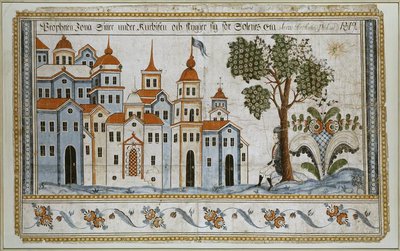
The word of the Lord came to Jonah a second time, saying, ‘Get up, go to Nineveh, that great city, and proclaim to it the message that I tell you.’ So Jonah set out and went to Nineveh, according to the word of the Lord. Now Nineveh was an exceedingly large city, a three days’ walk across. Jonah began to go into the city, going a day’s walk. And he cried out, ‘Forty days more, and Nineveh shall be overthrown!’ And the people of Nineveh believe God. They promptly proclaim a fast, and everyone, great and small, put on sackcloth.
When the news reached the king of Nineveh, he rose from his throne, removed his robe, covered himself with sackcloth, and sat in ashes. Then he had a proclamation made in Nineveh: ‘By the decree of the king and his nobles: No human being or animal, no herd or flock, shall taste anything. They shall not feed, nor shall they drink water. Human beings and animals shall be covered with sackcloth, and they shall cry mightily to God. All shall turn from their evil ways and from the violence that is in their hands. Who knows? God may relent and change his mind; he may turn from his fierce anger, so that we do not perish.’
(Lectionary, New Revised Standard Version)
Thoughts
We continue our story of Jonah and the themes contained in the story. The first Sunday we looked at how God is in control, the second Sunday at Thankfulness, and we now turn to the theme of Repentance. Jonah has tried to escape from God by travelling in the opposite direction to Nineveh, but God proves He is in control by sending a storm so that the ship is foundering. Jonah is thrown overboard and swallowed by the large fish where he stays for three days, before he finally asks God for help, offering Him a psalm of thankfulness for saving him. Finally he is spewed out by the fish.
God now calls Jonah a second time, to go and preach to Nineveh about their wickedness, and this time he obeys. So we get the only prophecy of this most unusual prophet. He cries to the people: "Forty days more, and Nineveh shall be overthrown!", and the people believe him and repent of their ways. They hold a fast, and put on sackcloth as a symbol of their repentance and their sorrow. As Jonah walks the city more and more people repent. The Ninevite king leads his people in repentance. He sits in ashes, and even the animals are clothed with sackcloth. He cries "mightily to God", asking him not to destroy the city. But what is so notable is that Jonah does not repent of his action in trying to ignore God's original wishes! Indeed he seems totally unaware of the need for God's mercy. We who look at him though can only see God's actions in saving him as a truly divine act of love.
How often do we do the same thing as Jonah? How often do we go our own way, ignore God's call to help someone else, until we grudgingly decide we had better listen to our conscience, and do something about the 'problem'? Having done so, sometimes we can feel proud of ourself for having helped a neighbour, or supported a request to help a charity fund-raiser, forgetting how half-hearted we were at first. We can even feel we have done God a favour!
Prayer
Lord God,
all too often You know that
we live our lives without
bothering to listen to You.
We make plans
and try to carry them out
in our own strength.
We ignore the needs of others
until forced to face them.
Help us to repent our mistakes,
and go on to create plans
that align with Yours.
Amen.
You might like to read this article by Wikihow on How to repent. It's an inclusive article for Christians, Muslims and Jews with slightly different sections for each faith:
Or you might like to play this hymn:
- Father, I have sinned (based on the parable of the Prodigal Son): Agnes Choo